
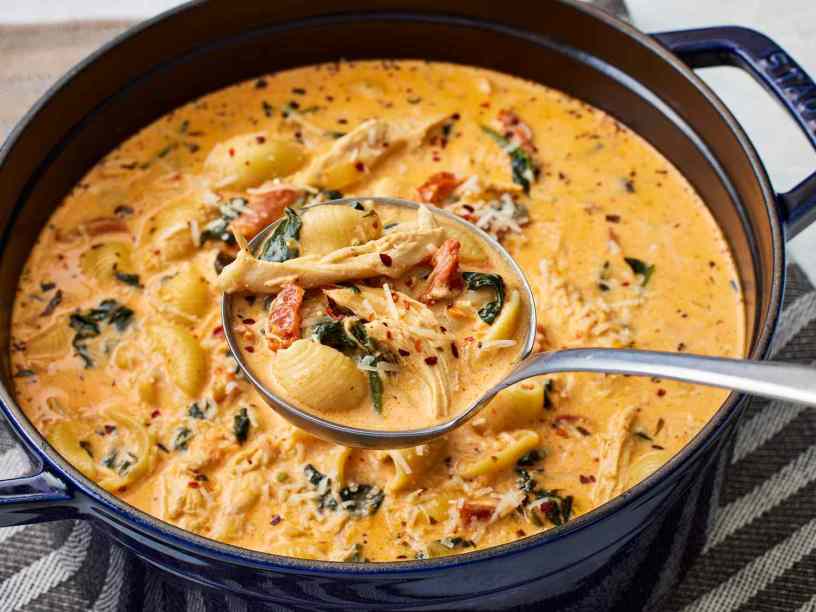
Introduction: More Than Just a Meal
Recipes, in their truest form, are not mere instructions—they are stories passed through generations, maps of flavor, and reflections of culture. They transcend ingredients and techniques, reaching into the core of our memories, our homes, and our history. From the golden crust of a homemade pie to the umami depth of a slow-cooked stew, every dish carries with it an essence of the people and places it has touched. In this article, we delve into the art and emotion of recipes, highlighting not only how they feed our bodies but how they nourish our souls.
The Cultural Canvas of Cuisine
Every culture has its own culinary fingerprint. Italian households revere the ritual of pasta-making; in India, spice blends are passed down like family heirlooms. These recipes do more than offer sustenance—they tell us who we are. Whether it’s a grandmother’s handwritten card or a digital recipe shared on a blog, each one is a time capsule of tradition and personal flair.
Examples of Cultural Staples:
-
Japan: Miso soup, simple and comforting, represents purity and balance.
-
Mexico: Tamales, wrapped in corn husks, are festive and symbolic of community effort.
-
France: Coq au vin is a rustic reminder of the French countryside, transforming humble ingredients into a dish of elegance.
These recipes anchor us, giving a sense of identity and belonging, whether you’re cooking in your ancestral home or in a new country far away.
Home Cooking: The Revival of the Hearth
In recent years, especially following the global pandemic, there’s been a renaissance of home cooking. People began to return to their kitchens not just out of necessity but as a form of therapy, creativity, and connection. Recipes played a critical role in this revival, guiding uncertain hands through the process of learning to cook from scratch.
This surge in culinary interest wasn’t about complexity; it was about authenticity. From no-knead bread to traditional curries, people discovered joy in slow preparation, aromatic kitchens, and the comforting repetition of stirring, chopping, tasting.
Modern Recipes: Innovation Meets Tradition
Contemporary recipes often walk a tightrope between honoring tradition and embracing innovation. Fusion cuisine, plant-based alternatives, and global accessibility have redefined the way we perceive classic dishes. This is not a dilution of heritage—it’s evolution.
Take, for instance, a vegan shepherd’s pie. While it deviates from the original meat-based concept, it respects the comforting nature of the dish while introducing sustainable ingredients. Recipes today are adaptable blueprints, offering substitutions, dietary modifications, and shortcuts, while still keeping the essence alive.
The Anatomy of a Great Recipe
Behind every successful dish lies a well-crafted recipe. But what sets a great one apart? It’s not just the list of ingredients; it’s clarity, context, and creativity.
Key Elements of a Strong Recipe:
-
Clear Measurements: Precision prevents disaster—cups, grams, ounces, and conversions matter.
-
Structured Steps: Chronological, logical instructions guide the cook from start to finish.
-
Sensory Cues: Descriptions like “until golden brown” or “when fragrant” help bridge the gap between technique and intuition.
-
Tips & Variations: Great recipes offer insight, like how to avoid curdling a sauce or how to swap in seasonal produce.
Such thoughtful structure allows both novices and seasoned cooks to engage meaningfully with the dish, turning effort into enjoyment.
Recipes as a Form of Storytelling
Behind each recipe is a storyteller. Consider the baker who recalls her mother kneading dough every Sunday morning, or the chef who recreates a childhood stew with modern flair. Recipes are woven with memory. Food bloggers, cookbook authors, and family cooks alike often share anecdotes, emotions, and rituals attached to each dish.
This emotional context makes recipes resonate on a deeper level. A recipe becomes more than a guide—it becomes a living, breathing tradition that invites others into your world.
The Social Side of Sharing Recipes
With the advent of digital platforms, recipe-sharing has transformed into a global phenomenon. Pinterest boards, Instagram reels, YouTube tutorials, and food blogs are today’s recipe boxes. But it’s not just about going viral—it’s about forming a community of passionate cooks.
Why We Love to Share Recipes:
-
Connection: Sharing food fosters relationships across cultures and borders.
-
Inspiration: Seeing what others create sparks creativity in our own kitchens.
-
Support: Ratings, reviews, and forums provide encouragement and troubleshooting.
This democratization of culinary knowledge means anyone, anywhere, can learn to make gyoza, gumbo, or gnocchi—guided by the wisdom of countless home chefs.
Cooking as a Meditative Practice
In our fast-paced world, cooking offers a rare opportunity to slow down. There’s something meditative in chopping vegetables, watching onions caramelize, or kneading dough until it’s just right. Recipes help structure that mindfulness, creating a space where focus, rhythm, and presence matter.
When approached with intention, cooking becomes more than task or chore. It becomes a sacred daily ritual—an art form accessible to all.
Timeless Favorites and Their Enduring Allure
Some recipes withstand the test of time, not because they are trendy, but because they’re reliable. Dishes like roast chicken, chocolate chip cookies, or lentil soup offer consistency, comfort, and a canvas for personalization.
Evergreen Recipes to Revisit:
-
Classic Margherita Pizza: Simplicity in ingredients—tomato, basil, mozzarella—elevated by technique.
-
Beef Bourguignon: A labor of love, rich with depth and tradition.
-
Banana Bread: Humble, forgiving, and perfect for customization.
These timeless dishes persist in our kitchens because they connect generations, serve all seasons, and continue to delight.
Conclusion: Recipes as Acts of Love
In the end, recipes are expressions of love. Whether you’re preparing a quick weekday meal or an elaborate holiday feast, the act of cooking—and sharing what you’ve created—is an offering of care. Recipes empower us to create, to nourish, to connect. They are more than instructions; they are an invitation to experience the world through taste, memory, and tradition.
Cooking a recipe, especially for someone else, is one of the most human things we can do. It’s a gesture that says: I made this for you, I remembered, I cared. That’s the true magic of a recipe—it speaks, even when words fall short.
 Healthyy food blog