
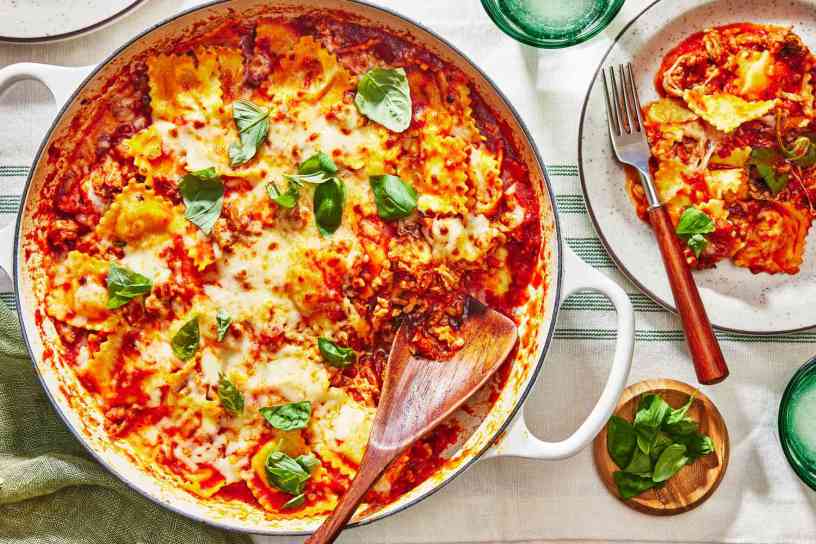
Recipes are more than just a list of ingredients and steps; they are gateways to culture, tradition, and creativity. Whether you are a seasoned chef or a casual cook, understanding the nuances of recipes can elevate your culinary experiences. In this article, we will explore the essence of recipes, their significance in cooking, and how to approach them with both precision and flair.
The Essence of a Recipe: Beyond Ingredients and Instructions
At its core, a recipe serves as a roadmap guiding a cook from raw ingredients to a finished dish. However, it is also a narrative—telling stories of heritage, geography, and personal creativity. Recipes can be viewed as cultural artifacts passed down through generations, often carrying with them family traditions or regional identities.
A well-crafted recipe balances clarity and flexibility. It provides enough detail to ensure success while allowing room for personal interpretation. The true mastery lies in knowing when to follow a recipe to the letter and when to improvise.
The Anatomy of a Perfect Recipe
A recipe’s effectiveness depends heavily on its structure and clarity. Here are key components every recipe should include:
-
Title: A concise yet descriptive name that reflects the essence of the dish.
-
Introduction or Background: Optional but enriching, offering context or tips related to the dish.
-
Ingredients List: Precise quantities and clear descriptions to avoid ambiguity.
-
Step-by-Step Instructions: Logical, sequential, and easy to follow.
-
Cooking Time and Temperature: Essential for timing and technique.
-
Serving Suggestions: Presentation ideas or complementary sides.
-
Nutritional Information: Increasingly valued for health-conscious cooks.
This structure ensures that even novices can approach a recipe with confidence, while experienced cooks can appreciate the detailed nuances.
The Role of Precision and Intuition in Following Recipes
Cooking is often described as both an art and a science, and recipes embody this duality perfectly. Precision in measuring ingredients, timing, and temperature can dramatically affect the outcome, especially in baking where chemical reactions are at play. Conversely, savory dishes often allow greater latitude for taste adjustments and ingredient substitutions.
To navigate this, a good cook develops intuition over time. For example, if a recipe calls for “a pinch of salt,” this can vary depending on personal preference and dietary needs. Intuition also guides adjustments based on ingredient quality or seasonal availability.
Exploring Global Cuisines Through Recipes
One of the most exciting aspects of recipes is their power to transport us across the globe. Culinary traditions reflect the climate, resources, and history of a region, making every recipe a miniature cultural expedition.
-
Italian Cuisine: Renowned for simplicity and quality ingredients, with recipes like risotto and classic pasta dishes emphasizing technique and freshness.
-
Japanese Cuisine: Precision and aesthetics define recipes here, with sushi and ramen exemplifying balance and detail.
-
Indian Cuisine: Complex spice blends and layering of flavors characterize recipes, offering vibrant, multi-textured dishes.
-
Mexican Cuisine: Bold flavors and hearty staples such as tortillas and mole showcase recipes rich in history and community.
Exploring international recipes broadens both palate and perspective, inviting cooks to experiment with new flavors and methods.
Tips for Creating Your Own Recipes
Developing original recipes can be immensely rewarding. It encourages creativity, deepens culinary knowledge, and offers a chance to tailor dishes to personal tastes or dietary requirements. Here are some guidelines to get started:
-
Start with Familiar Foundations: Modify existing recipes by altering ingredients or techniques.
-
Balance Flavors and Textures: Consider the harmony of salty, sweet, sour, bitter, and umami.
-
Experiment in Small Batches: Test adjustments before scaling up.
-
Document Everything: Precise notes help replicate or improve the recipe.
-
Seek Feedback: Sharing your creation invites constructive critique and new ideas.
The Digital Age and Recipe Sharing
The internet revolutionized how recipes are created, shared, and consumed. Online platforms allow chefs and home cooks alike to publish and access vast repositories of recipes instantly. Social media adds a visual dimension, inspiring through images and videos.
However, this abundance also demands critical evaluation. Not every recipe online is reliable; success depends on clarity, ingredient accessibility, and realistic instructions. Professional food writers and bloggers often provide tested recipes with detailed insights, bridging the gap between convenience and quality.
Recipes as a Reflection of Personal and Social Identity
Cooking and recipe sharing have always been social acts. In modern times, recipes serve as expressions of identity and values—whether through dietary choices like veganism, gluten-free adaptations, or traditional family dishes that honor ancestry.
Moreover, recipes facilitate connection. Sharing a cherished recipe can bridge generational gaps or cultural divides. Cooking together transforms recipes from static instructions into living experiences rich with emotion and memory.
Conclusion: Embracing Recipes as Living Art
Ultimately, recipes are living documents that evolve with each cook’s touch. They embody history and innovation, structure and creativity. By respecting their foundations and embracing flexibility, anyone can unlock the joy and mastery of cooking.
Whether you are following a classic recipe to perfection or inventing a new culinary masterpiece, remember that recipes are invitations—to explore, to experiment, and to express. Through them, we celebrate the universal language of food and the endless possibilities it offers.
 Healthyy food blog