
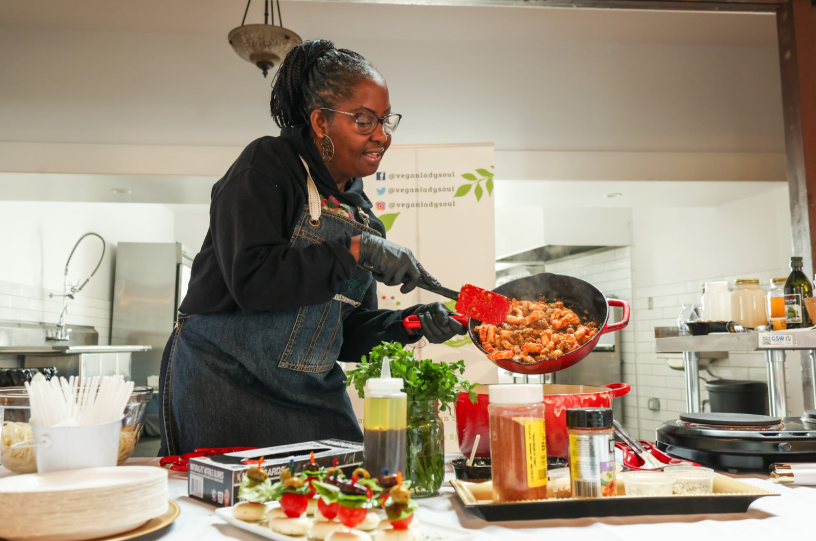
Introduction: Cooking as a Human Experience
Cooking is far more than the mechanical act of preparing food; it is a cultural expression, an art form, and a language of love shared across families, communities, and generations. The act of cooking—whether for sustenance, pleasure, or celebration—connects us to our roots and defines our sense of place and identity. In a world constantly driven by speed and convenience, rediscovering the joy and intention behind cooking can enrich both our palates and our lives.
The Evolution of Cooking: From Survival to Sophistication
The history of cooking is a fascinating journey from primal necessity to refined craftsmanship. Early humans harnessed fire not only to stay warm, but to transform raw ingredients into digestible and flavorful meals. Over millennia, cooking evolved alongside agriculture, trade, and cultural exchange. Spices from the East, grains from the Americas, and techniques from Europe blended into intricate cuisines that mirrored the diversity of our civilizations. Today, cooking embodies this rich tapestry, with fusion cuisine and global influences becoming common in kitchens worldwide.
Why Cooking Matters in the Modern Age
Amid fast food chains and meal delivery apps, the value of cooking at home might seem diminished. Yet, its importance has never been greater.
Health and Nutrition
-
Cooking at home allows for complete control over ingredients, reducing the intake of preservatives, sugars, and unhealthy fats.
-
Fresh, seasonal ingredients can be selected to meet specific dietary needs and health goals.
-
Home-cooked meals foster mindfulness around portion size and nutrient balance.
Emotional and Mental Well-Being
-
Cooking can serve as a form of therapy—immersing the cook in the rhythm of chopping, stirring, and tasting.
-
Sharing food fosters intimacy and emotional connection, nurturing relationships through simple yet meaningful acts.
-
The creative aspect of cooking—experimenting with flavors, colors, and textures—stimulates the mind and provides a rewarding outlet for self-expression.
Cultural Identity and Heritage
-
Traditional recipes passed down through generations carry stories and values.
-
Cooking becomes a way to preserve and honor one’s heritage, especially in diasporic communities.
-
Regional cooking methods and local ingredients help ground people in their native landscapes and culinary histories.
The Essential Traits of a Great Cook
While recipes provide a framework, true culinary artistry lies in intuition and sensitivity to ingredients. A great cook blends knowledge with creativity, and above all, respect for the process.
Key Attributes Include:
-
Curiosity: Great cooks are constantly learning—whether from cookbooks, mentors, or mistakes.
-
Patience: Good food cannot be rushed. Whether it’s letting dough rise or caramelizing onions, patience often makes the difference between mediocre and memorable.
-
Palate Awareness: The ability to taste and refine seasoning, balance acidity and sweetness, and understand textures is vital.
-
Adaptability: Ingredient substitutions, improvisation, and overcoming kitchen mishaps require resourcefulness.
-
Passion: Above all, a genuine love for the craft transforms cooking from a task into an experience.
The Kitchen as a Creative Studio
Just as an artist finds freedom in a blank canvas, a cook finds opportunity in an empty skillet. Cooking is deeply creative, allowing for spontaneous invention as well as meticulous technique.
Creative Techniques to Elevate Cooking:
-
Layering Flavors: Building depth through aromatics, herbs, and slow-cooked bases.
-
Balancing Contrast: Combining textures and temperatures—crispy with creamy, warm with cold.
-
Plating as Presentation: An artfully arranged dish enhances both visual and sensory enjoyment.
-
Fusion and Reinvention: Blending traditions, such as Indian-Mexican tacos or Japanese-Italian pasta, opens endless possibilities.
The Role of Intuition in Cooking
While precision is essential in baking, most forms of cooking benefit from intuition. The sizzle of onions, the aroma of spices, the feel of dough—these cues cannot always be quantified, yet they guide a cook’s decision-making. With time, experience, and attentiveness, a cook begins to trust these sensory signals over written instructions. This intuitive approach leads to personalized dishes that speak from the heart, rather than mimic a recipe to the letter.
Cooking as a Shared Ritual
Cooking brings people together—not just at the table, but in the process itself. Grandparents teach grandchildren to knead dough, couples cook side by side on quiet evenings, and friends bond over potluck experiments. These moments create memories anchored in taste and togetherness.
Ways to Involve Others in Cooking:
-
Host “cook-together” nights where each guest brings ingredients or helps with preparation.
-
Start a weekly family cooking ritual, allowing each member to choose a dish.
-
Involve children in age-appropriate kitchen tasks to teach life skills and spark curiosity.
-
Share recipes with neighbors or friends, along with a home-cooked sample.
Sustainability and Responsibility in the Kitchen
A mindful cook also considers the environmental impact of their choices. Waste, sourcing, and seasonality all play into the ethics of cooking.
Sustainable Practices Include:
-
Reducing Food Waste: Use vegetable scraps for stock, repurpose leftovers creatively, and compost what can’t be used.
-
Supporting Local Producers: Buy from farmers’ markets or local artisans to reduce carbon footprints and support communities.
-
Eating Seasonally: Cooking with seasonal produce ensures freshness, flavor, and a smaller environmental impact.
-
Conscious Protein Choices: Incorporate more plant-based meals and choose ethically sourced meat and seafood.
Conclusion: Cooking as a Lifelong Journey
To cook is to care—for oneself, for others, and for the world. It is an act of creation, generosity, and reflection. Whether preparing a simple omelet or a multi-course feast, the essence of cooking lies not in perfection, but in presence. In a culture that often prioritizes speed over substance, returning to the kitchen offers a radical act of slowing down, savoring, and connecting.
A great cook is not defined by accolades or exotic ingredients, but by their ability to infuse soul into every dish. As with any art, the journey of cooking is infinite, rewarding, and deeply human.
 Healthyy food blog