
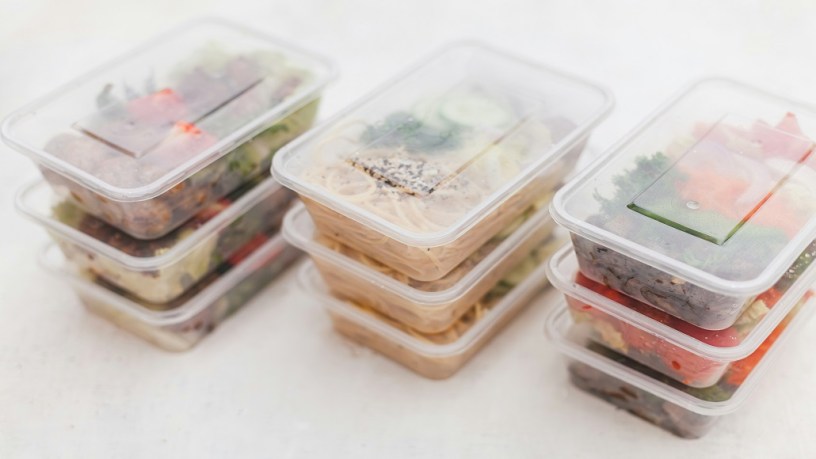
The humble PET jar Singapore manufacturers produce has become, in these strange and uncertain times, something of a quiet revelation in our island nation’s relentless pursuit of both sustainability and practicality. Like so many revolutions, this one arrived not with thunderous proclamations but in the gentle click of a lid being secured, in the transparent beauty of contents preserved, in the whispered promise of reuse. As I wander through the humid corridors of our food production facilities and peer into the workshops of our most innovative culinary entrepreneurs, I find myself drawn to these vessels—these crystalline containers that hold within them not just products, but possibilities.
The Inescapable Presence
They sit on shelves in nearly every Singaporean home, these clear sentinels of modern packaging. PET jars—polyethene terephthalate, if we’re being formal about it—have infiltrated our lives with such gentle persistence that we scarcely notice their omnipresence until we begin looking for them. And then, suddenly, they’re everywhere: holding the kaya that accompanies our morning toast, preserving the sambal that enlivens our evening meals, containing the artisanal creations of our hawker-preneurs.
“When we decided to expand our traditional family recipes into retail, the question of packaging consumed us,” explains Madam Tan, whose chilli crab paste has become something of a national treasure. “PET jars offered us something precious—transparency. Customers could see our product, its colour, its texture. In Singapore’s competitive food marketplace, this visibility is everything.”
This visibility has transformed how we connect with what we consume, creating a relationship that begins before the lid is even unscrewed.
Beyond Aesthetics: The Practical Revolution
The practical advantages of these vessels extend far beyond the merely visual, reaching into territories of safety, preservation, and adaptability that have made them indispensable to Singapore’s unique food ecosystem:
- Heat resistance that withstands Singapore’s tropical climate without leaching chemicals
- Lightweight construction that reduces shipping costs in our import-dependent economy
- Clarity that allows UV-sensitive products to be protected with tinted variants
- Recyclability that aligns with Singapore’s Green Plan 2030
- Versatility in shapes and sizes that accommodates our diverse culinary traditions
As Lim Wei Shan, packaging consultant for Singapore’s food manufacturing sector, observes: “The beauty of PET lies in its chameleon-like ability to adapt. We can modify thickness for different shelf-life requirements, adjust mouth diameters for various dispensing needs, and incorporate oxygen barriers for sensitive products. This adaptability is particularly valuable in Singapore’s climate, where packaging must withstand both extreme humidity and temperature fluctuations.”
The Environmental Paradox
To speak of plastic in our age of environmental consciousness is to navigate troubled waters. Yet here, too, the story resists simplification.
“We conducted a comprehensive lifecycle analysis comparing glass, aluminium, and PET packaging specific to Singapore’s infrastructure,” explains Dr. Ng from the Singapore Institute of Packaging. “When accounting for our limited land space, transportation emissions, and recycling capabilities, PET jars emerged as surprisingly competitive from an environmental standpoint, particularly when incorporating post-consumer recycled content.”
The environmental calculus includes several Singapore-specific factors:
- Lower transportation emissions due to lighter weight (significant for an import-dependent island)
- Reduced water usage in manufacturing compared to glass alternatives
- Energy efficiency in production processes
- Integration with Singapore’s developing circular economy initiatives
- Lower breakage rates reducing product waste
Yet this is not a tale without complexity. The very durability that makes these containers valuable also casts a long shadow when they escape proper channels. Like all stories worth telling, this one contains its contradictions.
The Cultural Imprint
Beyond the clinical assessments of utility and environmental impact lies something more elusive—the way these vessels have silently shaped Singapore’s modern food culture. In hawker centres and high-end establishments alike, the PET jar has democratised preservation, storage, and presentation.
“My grandmother preserved her atchara in ceramic crocks that required specific handling and storage conditions,” reminisces Chef Raymond, whose modern Peranakan restaurant has earned international acclaim. “When we began packaging for retail, PET jars allowed us to maintain traditional recipes without compromising on shelf stability or visual appeal. There’s something profoundly satisfying about seeing our heritage preserved in these transparent vessels, visible but protected, just like Singapore itself.”
This visibility has transformed home cooking as well. Where once recipes remained family secrets, now small-batch producers share their creations in clearly labelled PET containers, ingredients proudly displayed through transparent walls.
The Future Contained
In the laboratories of Singapore’s packaging innovators, the next generation of PET technology is taking shape—biopolymer additives that accelerate biodegradation, oxygen scavengers that extend shelf life without preservatives, smart packaging that monitors freshness.
“The PET jar of tomorrow will do more than simply contain,” predicts Dr. Zhang Min of Singapore Polytechnic’s Food Innovation Centre. “We’re developing intelligent PET packaging that can communicate freshness, track provenance, and even adjust barrier properties based on environmental conditions. For Singapore’s food security strategy, these innovations represent significant advancement.”
These developments emerge from distinctly Singaporean priorities:
- Maximising shelf life to reduce food waste
- Enhancing traceability for food safety and security
- Optimising barrier properties for our tropical climate
- Incorporating antimicrobial properties suitable for high-humidity environments
- Reducing dependence on preservatives through packaging innovation
As I hold one of these jars—this seemingly simple container that has quietly transformed how we preserve, present, and perceive our food—I’m struck by how objects so easily overlooked can reshape our relationship with what we consume. In their transparency, these vessels offer both revelation and protection; in their utility, both tradition and innovation.
The story of modern Singapore is often told through our architectural marvels, our economic miracles, and our technological embraces. Yet sometimes the most profound changes occur in the most humble vessels. For food producers navigating Singapore’s competitive culinary landscape, for consumers seeking both convenience and consciousness, for a nation balancing progress with preservation, the perfectly designed PET jar Singapore offers might just be a small revolution contained in the palm of your hand.
 Healthyy food blog