
The Evolutionary Advantage of Island Commerce
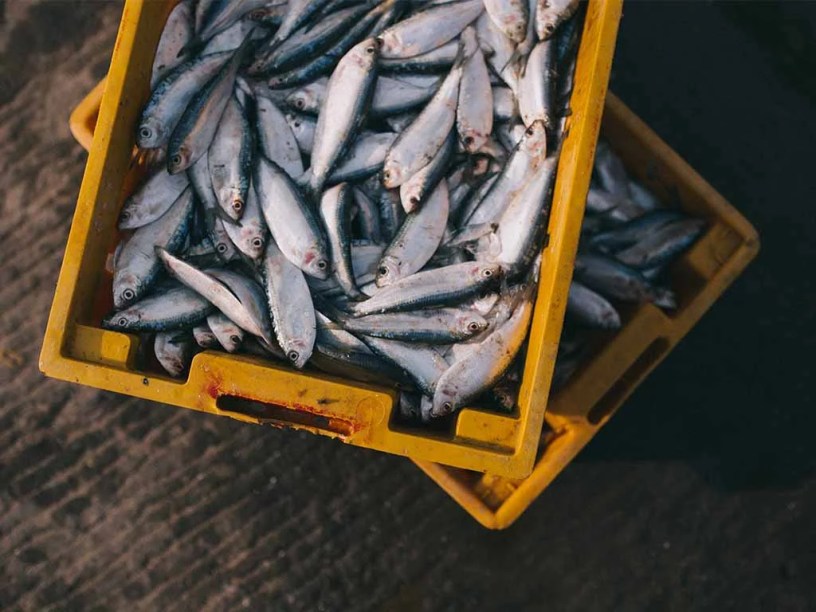
The seafood supplier in Singapore occupies a fascinating ecological niche within the complex biome of Southeast Asian commerce, forming a crucial link between marine harvests and human sustenance. As I have observed during my decades studying biological systems, such intermediary organisms often develop remarkable adaptations—specialisations that allow them to thrive in highly competitive environments. Singapore’s geographical position at the crossroads of major oceanic trade routes has similarly shaped its seafood distribution networks, creating a sophisticated system analogous to the nutrient exchange mechanisms we observe in coral reef ecosystems.
The Taxonomy of Marine Procurement
When we examine the phylogeny of seafood supply chains, we discover a remarkable diversity of specialisations. The city-state’s suppliers have evolved distinct methodologies for sourcing that reflect both ancient traditions and modern innovations:
- Direct harvesting relationships with fishing fleets from Malaysia, Indonesia, and Vietnam
- Cold-chain logistics systems that maintain precise temperature controls within 0.5°C
- Real-time inventory management that responds to restaurant demands with algorithms reminiscent of swarm intelligence
- Certification processes that trace lineage from ocean to plate with DNA-level precision
- Sustainable harvesting partnerships that function like symbiotic relationships in natural ecosystems
“Singapore’s seafood supply ecosystem represents one of the most efficient examples of human-marine commerce coevolution in Southeast Asia,” notes a prominent marine biologist from the National University of Singapore. “The adaptation pressures of serving a discerning urban population with limited domestic fishing grounds has produced remarkably resilient business organisms.”
The Biogeography of Taste
The distribution patterns of seafood preferences across Singapore represent a fascinating example of cultural-biological coevolution. Each ethnic community—Chinese, Malay, Indian, Peranakan, and others—has developed specialised culinary adaptations that require specific marine species. This diversification of demand has driven suppliers to develop what we might term “niche specialisation” in biological terms.
Consider the demand patterns observed in just one week:
- Chinese restaurants requiring live specimens for traditional preparations
- Malay establishments seeking specific varieties for sambal-based dishes
- Indian kitchens requesting particular species that complement spice profiles
- Western dining venues demanding standardised portions with precise specifications
- Peranakan establishments seeking unique cross-cultural ingredient combinations
“What makes Singapore unique is that suppliers must possess encyclopaedic knowledge spanning multiple culinary traditions,” observes a veteran seafood trader who has witnessed the market’s evolution over four decades. “It’s comparable to how certain species must adapt to multiple microhabitats within a single geographical range.”
The Communication Chemistry of Markets
The information exchange systems between suppliers and their networks exhibit striking parallels to chemical signalling in biological communities. Price fluctuations propagate through the system like pheromone trails, triggering complex adaptive responses. A shortage of grouper in Malaysian waters initiates a cascade of substitution recommendations, price adjustments, and menu modifications—a perfect example of how disturbances in one part of an ecosystem reverberate throughout interconnected networks.
The Preservation Imperative
The fundamental challenge of seafood distribution—maintaining freshness—represents a fascinating problem in thermodynamics and biochemistry. Singapore’s suppliers have developed preservation methodologies that significantly extend the viability window of highly perishable marine organisms:
- Flash-freezing techniques that maintain cellular integrity at the microscopic level
- Modified atmosphere packaging that creates micro-environments hostile to spoilage bacteria
- Traditional preservation methods using salt concentration gradients to control microbial activity
- Ice management protocols that maintain optimal temperature without causing hypotonic damage
- Transport containers engineered to mimic the thermal stability of deep ocean environments
The Sustainability Paradox
As with many biological systems under pressure, Singapore’s seafood supply chain faces evolutionary stresses that demand adaptation. The tension between meeting current consumption demands and ensuring future resource availability creates selection pressures that increasingly favour sustainability-oriented operations.
“Singapore suppliers now find themselves in the position of keystone species,” explains a marine conservation specialist. “Their purchasing decisions ripple throughout regional fishing practices, which means they have disproportionate influence over marine ecosystem health across Southeast Asia.”
The most successful suppliers have developed verification systems comparable to immune responses—mechanisms that identify and reject unsustainably harvested specimens before they enter the supply chain.
The Adaptive Future
The coming decades will undoubtedly bring evolutionary challenges to this intricate system. Climate change alters migration patterns and breeding cycles of key commercial species. Acidification threatens shellfish populations. Emerging diseases present novel threats to aquaculture operations. Yet I remain cautiously optimistic, as I have throughout my career studying biological systems under stress.
The remarkable adaptability of natural systems often provides templates for human innovation. Already we see Singapore’s suppliers developing approaches that mirror nature’s solutions—closed-loop aquaculture systems inspired by nutrient cycling in mangrove ecosystems, blockchain traceability that functions like genetic lineage markers, and community-supported fishing arrangements structured like mutualistic relationships in coral reefs. Through continuous adaptation and an appreciation for the delicate balance between consumption and conservation, there remains hope for sustainable equilibrium in the specialised ecological niche occupied by the seafood supplier in Singapore.
 Healthyy food blog