
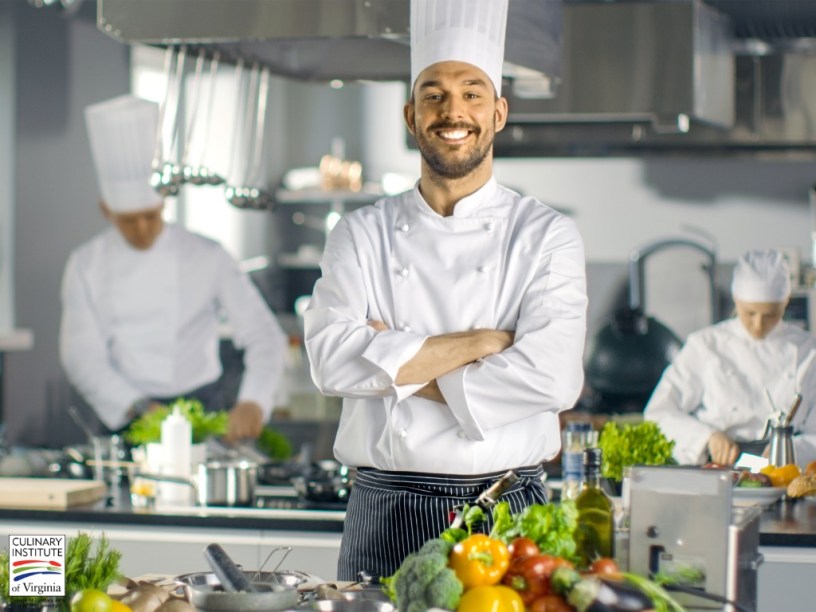
Cooking is often perceived as a simple task—combining ingredients and applying heat to produce a meal. Yet, the role of a cook extends far beyond mere food preparation. It is an intricate blend of art, science, culture, and passion. In every kitchen around the world, from bustling restaurants to cozy home settings, cooking embodies a tradition that is both personal and universal. This article delves deep into the multifaceted identity of a cook, exploring the skills, creativity, and dedication required to transform raw ingredients into culinary masterpieces.
The Essence of Cooking: Beyond the Recipe
At its core, cooking is a method of transforming ingredients through heat and technique. However, a skilled cook understands that the recipe is only a guideline—a foundation on which creativity and intuition build. Each dish tells a story, reflecting culture, seasonality, and individual expression. The best cooks possess a profound respect for their ingredients, treating each element with care to maximize its potential.
The Skill Set of a Cook: A Balance of Technique and Intuition
Mastering the art of cooking demands a diverse skill set, blending technical precision with a flair for innovation. Some of the key skills every cook should cultivate include:
-
Knife Skills: The ability to chop, dice, and slice efficiently and safely is fundamental. Precision in cutting affects cooking times and presentation.
-
Understanding Heat: Different cooking methods—boiling, sautéing, roasting, grilling—each require knowledge of how heat interacts with various ingredients.
-
Flavor Pairing: A sophisticated palate helps a cook balance flavors like sweet, sour, salty, bitter, and umami to create harmonious dishes.
-
Timing and Organization: In a professional kitchen, timing is everything. Knowing when to start each component ensures dishes are served fresh and at the perfect temperature.
-
Adaptability: No kitchen runs perfectly all the time. A great cook must think on their feet, making adjustments without losing composure.
The Creative Pulse: Cooking as an Art Form
Creativity in cooking transcends simply following recipes. It involves inventing new flavor combinations, plating with aesthetic appeal, and even repurposing leftovers into something delightful. A cook’s creativity can be inspired by cultural heritage, travel experiences, seasonal produce, or even the desire to innovate sustainable and healthy meals. This creative impulse turns cooking into a form of personal expression and storytelling.
The Cultural Significance of Cooking
Food is intrinsically tied to culture, identity, and history. Cooking connects people across generations and geographies. Each culture offers its unique techniques, ingredients, and rituals that shape its culinary landscape. For instance:
-
The meticulous preparation and presentation of Japanese kaiseki.
-
The vibrant spices and communal nature of Indian thali meals.
-
The slow-cooked stews and rustic breads of Mediterranean cuisine.
Cooks often become custodians of these traditions, preserving heritage while also adapting to contemporary tastes.
The Professional Cook vs. The Home Cook
While the role of a professional cook and a home cook overlap in many areas, their environments and pressures can differ significantly.
Professional Cooks:
-
Operate under intense time constraints and high-volume settings.
-
Adhere strictly to hygiene and safety standards.
-
Often specialize in specific techniques or cuisines.
-
Must maintain consistency across many dishes.
Home Cooks:
-
Enjoy more creative freedom without the pressure of a commercial kitchen.
-
Focus on comfort, nutrition, and personal preferences.
-
Often experiment with recipes and adapt based on available ingredients.
Despite these differences, both share the same fundamental love for creating nourishing, enjoyable meals.
The Psychological and Emotional Dimensions of Cooking
Cooking is not merely physical labor; it also holds profound emotional significance. Preparing food can be an act of love and care—a way to nurture oneself and others. For many, cooking provides a therapeutic outlet, offering mindfulness and a sense of accomplishment. Sharing a meal often fosters connection and community, making the act of cooking deeply social and emotionally rewarding.
Sustainable and Ethical Cooking: The Future of the Craft
Modern cooks increasingly embrace sustainability and ethical considerations, responding to global challenges such as climate change and food insecurity. This shift involves:
-
Choosing locally sourced, seasonal ingredients to reduce environmental impact.
-
Minimizing food waste through thoughtful planning and creative use of leftovers.
-
Exploring plant-based recipes as alternatives to resource-intensive meats.
-
Supporting fair trade and humane farming practices.
By integrating these values, cooks not only enhance their culinary repertoire but also contribute to a healthier planet.
Essential Tools of the Trade: Equipping the Cook’s Arsenal
A cook’s tools can elevate or hinder their craft. Essential equipment includes:
-
High-quality chef’s knife: The cornerstone of any kitchen.
-
Heavy-bottomed pots and pans: For even heat distribution.
-
Thermometers: To ensure precise cooking temperatures.
-
Cutting boards: Ideally separate ones for meats and vegetables to avoid cross-contamination.
-
Measuring tools: For consistency in baking and complex recipes.
Investing in reliable tools enables a cook to work efficiently and confidently.
Conclusion: The Cook as an Artist, Scientist, and Caregiver
To be a cook is to inhabit a unique space that bridges science and art, discipline and freedom, tradition and innovation. It is a craft rooted in knowledge yet alive with personal passion. Whether cooking for a grand banquet or a humble family dinner, the cook’s role is indispensable in nourishing body and soul alike. The journey of becoming a skilled cook is lifelong, marked by continuous learning, experimentation, and, above all, a love for the transformative power of food. In the end, every cooked meal is a celebration of life’s simplest and most profound pleasures.
 Healthyy food blog