
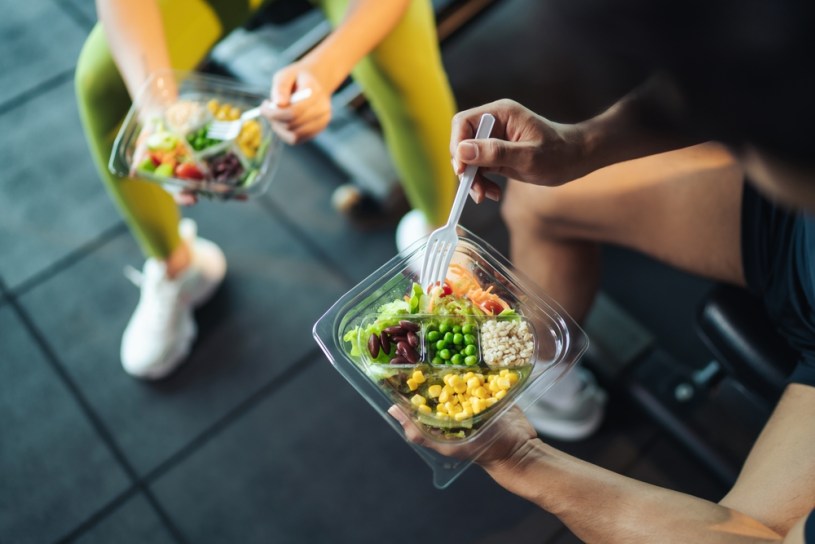
Training consistently is only half the equation when it comes to achieving visible and lasting fitness results. In Singapore, many people commit to regular workouts yet feel frustrated by slow progress, unstable energy levels, or difficulty managing body fat. In most cases, the missing link is not effort, but nutrition alignment. A structured approach that connects diet choices with training demands is what transforms exercise into measurable results. This is why combining intelligent nutrition strategies with training at a fitness gym singapore has become increasingly important for people who want outcomes that last beyond a few weeks.
Nutrition planning does not mean restrictive dieting or following trends. It means understanding how food supports training performance, recovery, and body composition in a realistic Singapore lifestyle, where dining out, social meals, and busy schedules are common.
Why Training Alone Is Not Enough
Exercise creates the stimulus for change, but nutrition determines how the body responds to that stimulus. Without proper fuel and recovery nutrients, training can lead to fatigue, muscle loss, or stalled fat loss instead of improvement.
Common signs of poor diet and training alignment include:
-
Feeling drained during workouts despite regular exercise
-
Muscle soreness that lingers for days
-
Increased hunger and cravings late at night
-
Weight fluctuations with no clear progress
-
Declining strength even with consistent training
When nutrition supports training rather than working against it, workouts feel more productive and recovery becomes faster and more reliable.
Understanding Energy Balance in a Real Singapore Context
Energy balance is often oversimplified as calories in versus calories out. While technically true, real life is more complex. Stress, sleep, training intensity, and food quality all influence how the body uses energy.
In Singapore, challenges include:
-
Frequent dining out and hawker meals
-
Irregular meal timing due to work demands
-
High caffeine consumption
-
Social eating linked to business and family life
Effective nutrition planning works with these realities instead of ignoring them. The goal is not perfection, but consistency and control.
Protein Intake as the Foundation of Gym Results
Protein is the most important nutrient for anyone training regularly. It supports muscle repair, preserves lean mass during fat loss, and improves satiety, making it easier to manage overall intake.
Practical protein guidelines for gym-goers include:
-
Including protein in every main meal
-
Aiming for evenly distributed intake across the day
-
Prioritising whole food sources when possible
Common protein sources suitable for Singapore diets:
-
Eggs and egg-based dishes
-
Fish and seafood
-
Chicken, turkey, and lean meats
-
Tofu, tempeh, and legumes
-
Greek yoghurt and dairy options
Adequate protein intake helps ensure that the effort put into training translates into strength and physique improvements.
Carbohydrates and Training Performance
Carbohydrates are often misunderstood, especially by people trying to lose fat. In reality, carbohydrates are a primary fuel source for training, particularly for strength sessions and higher-intensity workouts.
Smart carbohydrate use involves:
-
Timing carbs around training sessions
-
Choosing higher-quality sources most of the time
-
Adjusting intake based on training volume
Examples of useful carbohydrate sources include:
-
Rice, noodles, and grains in controlled portions
-
Fruits for quick energy and micronutrients
-
Root vegetables for sustained energy
-
Whole grain options for fibre and satiety
Reducing carbohydrates too aggressively often leads to poor training performance and increased cravings, making long-term adherence difficult.
Dietary Fats and Hormonal Health
Fats play an essential role in hormone production, joint health, and nutrient absorption. Removing fats completely can negatively affect energy levels and recovery.
Healthy fat sources commonly available include:
-
Nuts and seeds
-
Avocado
-
Olive oil
-
Fatty fish
Balanced fat intake supports hormonal stability, especially for individuals training frequently or managing high stress levels.
Meal Timing and Training Recovery
Meal timing does not need to be rigid, but certain principles can improve recovery and performance.
Useful timing strategies include:
-
Eating a balanced meal within a few hours before training
-
Including protein after workouts to support muscle repair
-
Avoiding long fasts around intense training sessions
For people training after work, a light pre-workout snack followed by a proper dinner often works well within a Singapore lifestyle.
Nutrition Strategies for Fat Loss Without Burnout
Fat loss requires a calorie deficit, but aggressive restriction often backfires. The most successful approach combines strength training, moderate cardio, and controlled nutrition.
Sustainable fat loss strategies include:
-
Prioritising protein to maintain muscle
-
Using low-intensity activity to increase calorie burn without fatigue
-
Reducing liquid calories and mindless snacking
-
Planning meals rather than relying on impulse choices
When diet supports training, fat loss becomes a gradual but maintainable process.
Supporting Muscle Gain Through Diet
For those aiming to build muscle, nutrition becomes even more critical. Training provides the stimulus, but muscle growth depends on adequate fuel and recovery.
Key principles include:
-
Eating enough total calories to support growth
-
Maintaining sufficient protein intake
-
Not neglecting carbohydrates around workouts
-
Allowing adequate recovery between sessions
Muscle gain is a slow process, but consistent nutrition habits make progress predictable rather than random.
Navigating Hawker Food and Dining Out
One of the biggest concerns for gym-goers in Singapore is eating out. The good news is that dining out does not automatically derail progress.
Practical tips include:
-
Choosing grilled, steamed, or roasted options
-
Balancing higher-calorie meals with lighter meals earlier or later in the day
-
Paying attention to portion sizes rather than eliminating favourite foods
-
Avoiding sugary drinks as default choices
Flexibility is what allows nutrition plans to survive long term.
Hydration and Performance
Hydration is often overlooked, yet even mild dehydration can affect strength, endurance, and focus.
Simple hydration habits include:
-
Drinking water consistently throughout the day
-
Increasing intake on training days
-
Monitoring urine colour as a basic hydration indicator
Proper hydration supports circulation, joint health, and recovery.
Why Gym Environments Support Better Nutrition Habits
A gym environment reinforces nutrition habits by creating routine and accountability. When training becomes a scheduled part of the week, people are more likely to plan meals around it.
Gyms also encourage:
-
Consistent training times that stabilise meal timing
-
Awareness of performance changes linked to food choices
-
Long-term habit formation rather than short-term dieting
Facilities like True Fitness Singapore provide the structure and environment that help members align nutrition with training demands, making progress more sustainable over time.
Building a Nutrition Plan That Fits Your Lifestyle
The best nutrition plan is one you can follow consistently. This means accounting for work schedules, family commitments, and social life.
A realistic plan focuses on:
-
Repeating simple meals you enjoy
-
Planning ahead for busy days
-
Allowing flexibility for social occasions
-
Adjusting intake based on training load
When nutrition fits your lifestyle, it stops feeling like a constant struggle.
FAQ: Nutrition Planning and Gym Training in Singapore
Do I need to follow a strict diet to see gym results?
No. Consistency and balance matter more than strict rules. A flexible approach is more sustainable and often more effective.
How much protein do I really need if I train regularly?
Most active individuals benefit from regular protein intake spread across meals. Exact needs vary, but consistency is key.
Can I lose fat while still eating rice and noodles?
Yes. Portion control, timing, and overall balance matter more than eliminating specific foods.
Is it okay to train on an empty stomach?
Some people tolerate it well for low-intensity sessions, but strength and high-intensity workouts usually perform better with some fuel.
How do I handle social meals without ruining progress?
Plan around them. Adjust other meals that day, prioritise protein, and avoid turning one meal into a full day of overindulgence.
Does hydration really affect gym performance?
Yes. Even mild dehydration can reduce strength, endurance, and focus during training.
Should nutrition change on rest days?
Often yes. Slightly lower carbohydrate intake on rest days can work well, while protein intake should remain consistent.
 Healthyy food blog