
Where you sit in a sushi restaurant can shape the entire dining experience. Counter seating and table seating both offer unique advantages, but they create very different levels of interaction, pacing, and connection to the food. Understanding these differences helps diners choose the experience that best matches their expectations.
The Counter Experience: Direct Connection with the Chef
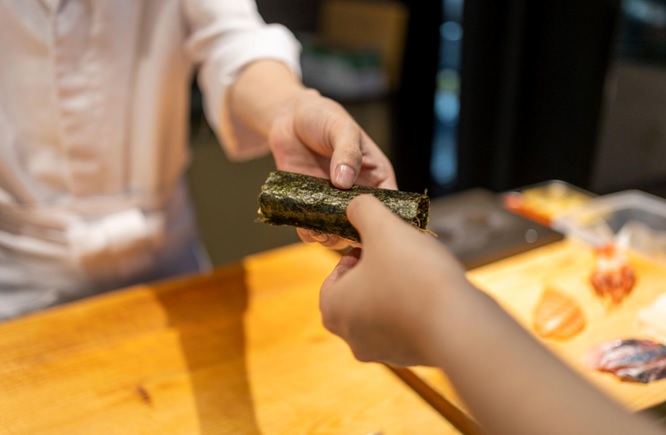
Counter seating is often considered the most immersive way to enjoy sushi. Guests sit directly in front of the chef, watching each piece being prepared in real time. This setup allows for immediate interaction, where diners can ask questions, receive recommendations, and even experience a curated omakase-style meal.
One of the biggest benefits is freshness. Sushi is often served immediately after preparation, ensuring optimal texture and temperature. The counter also highlights the discipline and precision behind each movement, turning the meal into a performance as much as a dining experience.
However, counter seating can feel more structured. Guests may follow the chef’s pacing, which limits flexibility in ordering or eating at their own rhythm.
The Table Experience: Comfort and Flexibility
Table seating offers a more relaxed and social dining environment. It allows guests to share multiple dishes, take their time, and enjoy conversation without the chef’s direct focus.
This setup is ideal for groups or diners who prefer variety over a guided tasting experience. It also provides more privacy and comfort, especially for longer meals or casual outings.
While table service may not offer the same level of direct interaction with the chef, it gives diners more control over pacing and ordering.
Differences in Food Presentation
At the counter, sushi is often served piece by piece, emphasizing timing and craftsmanship. Each item is meant to be eaten immediately after preparation.
At tables, sushi is typically served in sets or platters, allowing for shared dining and a wider variety of flavors at once. This can slightly change the intended experience of temperature and texture.
Atmosphere and Energy
Counter seating tends to feel focused and intimate. The quiet communication between chef and guest creates a sense of ritual and attention to detail.
Table seating, on the other hand, feels more social and dynamic. It encourages conversation and shared enjoyment, making it more suitable for group experiences.
Final Thoughts
Choosing between counter and table seating ultimately depends on what kind of sushi experience you want. The counter offers precision, interaction, and immersion in the chef’s craft, while the table provides comfort, flexibility, and social enjoyment. Both styles highlight sushi in different ways, and understanding their differences allows diners to fully appreciate the experience each one offers.
This post was written by a professional at Suhi Inc. Sushi Inc. is a vibrant restaurant that offers what is considered the most authentic sushi in downtown St. Petersburg. Opening its doors in 2013 and becoming a local staple by offering live music, traditional hand-rolled sushi, and a friendly atmosphere, our guests always have a top-notch experience. Customers love our award-winning, fresh, and creative Sushi rolls, Nigiri, and Sashimi. With a larger selection of tempura, non-Sushi, and teriyaki options, we can accommodate every taste.

