
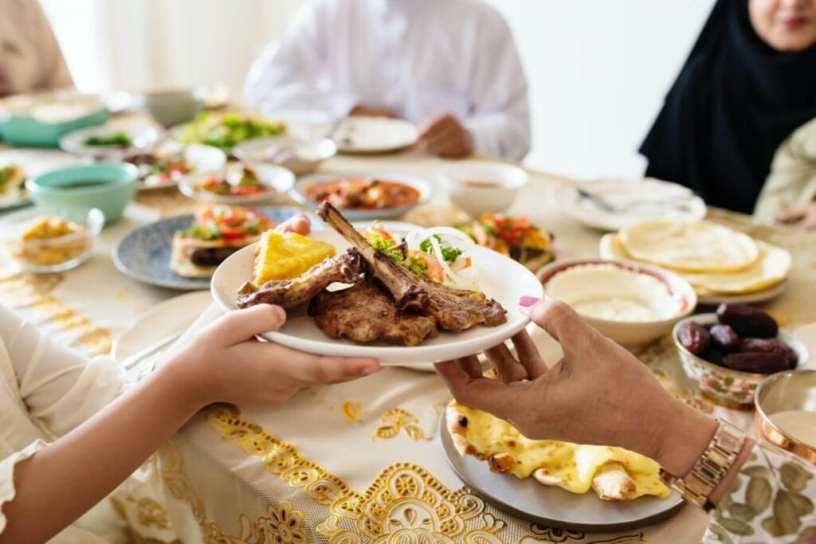
Halal catering is a compliance requirement before it is a menu decision, and treating it the other way round is how events go wrong. Certification, preparation, transport and service all have to hold together, and a caterer who is excellent at food but casual about process is not usable. Selecting the best halal catering singapore has to offer starts with verification and only then moves to what is being served.
Certification Is Verifiable
In Singapore, halal certification is issued by Muis, and certificates are checkable rather than a matter of trust. Ask for the certificate, note the expiry date, and confirm the scope covers the premises where your food will actually be prepared a caterer with multiple kitchens may not have all of them certified. Muslim-owned is not the same as certified, and no pork no lard is not the same either. For corporate events and religious occasions, verified certification is the baseline.
Corporate Events Have Different Constraints
Office catering runs to a schedule and gets judged on reliability as much as on food. Delivery has to land within a narrow window, setup has to work in a meeting room rather than a kitchen, and packaging has to suit people eating at desks or standing between sessions. Bento sets simplify headcount, portioning and dietary tracking considerably, which is why they dominate corporate ordering. Buffets suit longer functions where guests have time to move around.
Family Events Run on Different Rules
Weddings, birthdays, religious observances and family gatherings involve wider age ranges, longer service windows and higher expectations around traditional dishes done properly. Guests notice when a rendang has been rushed or a briyani is under-spiced. Portioning is harder because attendance is less predictable, so a caterer used to this environment will advise on ordering above headcount and will bring dishes that hold their quality across a long service rather than only tasting right in the first twenty minutes.
Menus Worth Building Around
Beef rendang, ayam masak merah, sambal goreng, nasi briyani, mee siam, mee rebus, satay with proper peanut sauce, sayur lodeh, achar and begedil cover most requirements between them and are familiar across communities. Desserts run to kueh, bubur cha cha, chendol and cut fruit. A well-constructed spread mixes rich and light, wet and dry, so guests can build a balanced plate rather than facing five heavy curries in a row.
Plan for the Rest of the Guest List
Most events include guests with other requirements vegetarian, vegan, nut and shellfish allergies, and often a mix. A caterer able to deliver both certified halal and properly constructed plant-based food removes an entire coordination problem. Where vegan catering singapore provision is needed alongside, having it come from the same kitchen means one delivery, one setup, one contact and one set of labels rather than two suppliers negotiating a shared buffet table.
Timing the Service Window
Food quality is a function of how long it has been held, and the service window is the variable most often set carelessly. A three-hour buffet needs staggered replenishment rather than everything laid out at the start, or the last guests eat something visibly worse than the first did. Fried items and anything crisp should arrive close to service in small batches. Rice and curries hold reasonably well; grilled meats and fried snacks do not. Discuss the run sheet with the caterer and agree replenishment times explicitly rather than leaving it to be worked out on the day.
Budgeting Realistically
Price per head varies widely and the number on its own means very little without knowing the dish count, portion sizes, service hours and whether staff and equipment are included. A quote that looks twenty percent cheaper is frequently a shorter service window, fewer dishes or disposables instead of proper serving equipment. Build the comparison on identical content. Also budget for the extras that arrive late additional guests, extended service, and equipment collection outside normal hours are the three that most often appear on a final invoice.
Labelling and Service Discipline
Every dish should be labelled with its name and its dietary status. Separate serving utensils for each dish are not optional, and for guests observing halal requirements the integrity of the whole line matters, not just the individual dish. Brief serving staff on what is in each item so they can answer confidently. These details are what guests actually experience, and they are where an otherwise competent caterer most often falls short.
Logistics Decide Whether It Works
Confirm delivery and setup times against your run sheet with slack built in. Establish whether staff are included, how many, and until what time. Check the venue for power, water access, lift availability, loading restrictions and whether the equipment fits through the door. Agree who collects equipment and when. Ask what happens if the venue turns out to be more difficult than described, because that conversation is far better had in advance.
Ordering Well
Book early for peak periods, particularly around festive seasons when good caterers fill up months ahead. Confirm the headcount deadline and the cost of late additions. Order slightly above your expected numbers, since running out is remembered far longer than a modest surplus. Ask for references from events of similar size and type. Established best halal catering singapore providers will supply all of this readily, because it is the same conversation they have every week.

